Reading trails
Animal Mind Notes
About the notebook
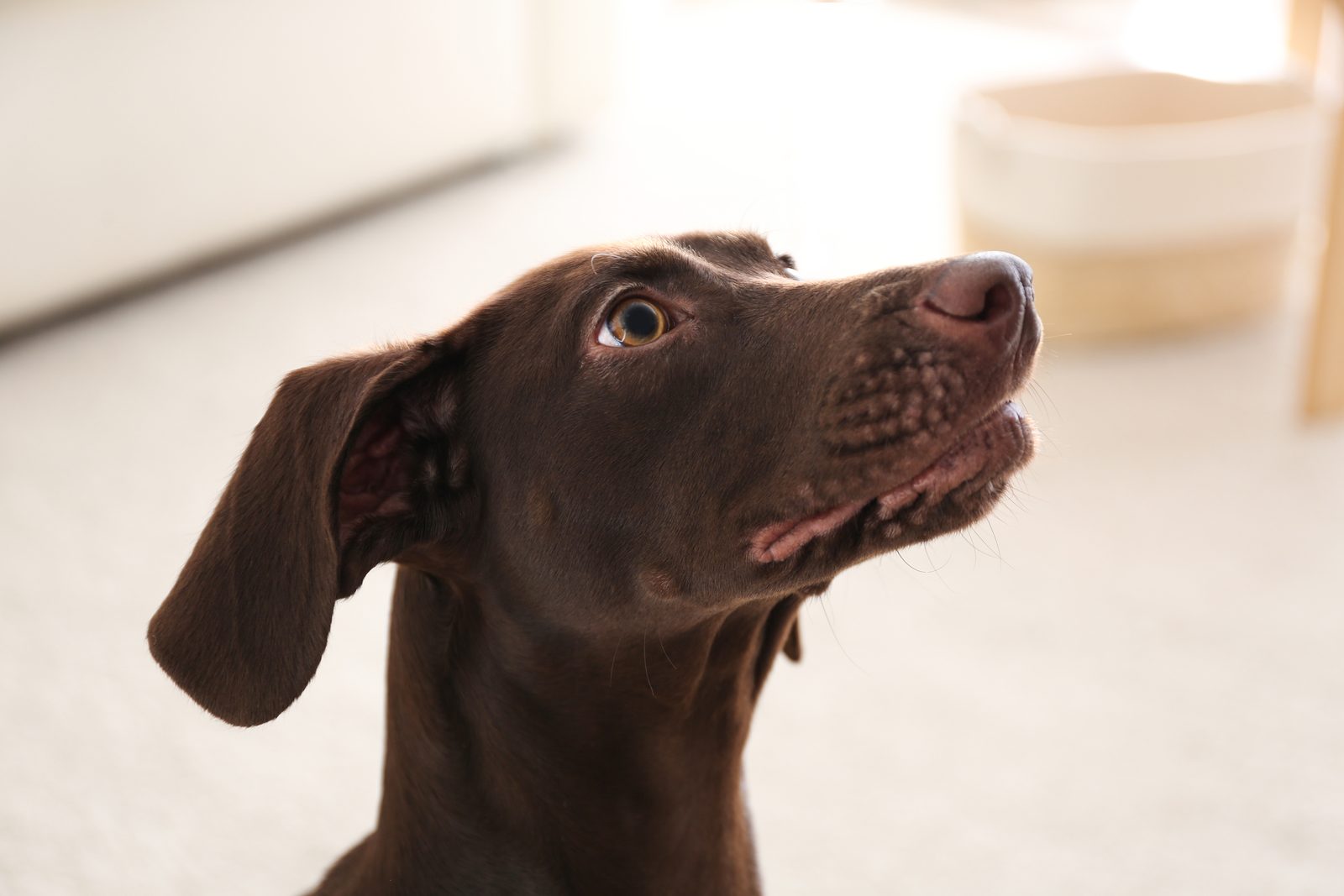
A chocolate German Shorthaired Pointer looks up attentively in a bright, softly lit room at home

Look closely. Ask differently.

Plain-language notes on how dogs and other animals think, what studies actually measured, and what that means at home.

The interesting part often starts between what an animal did and what we think it means.

Follow the question →
Featured review

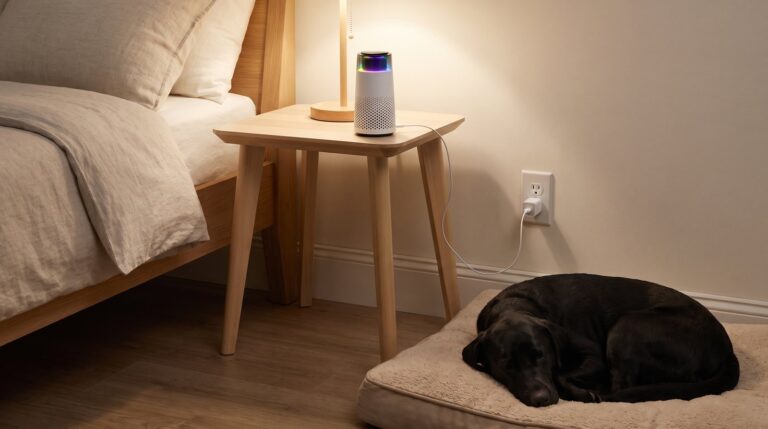
Puppy Kind USB-C Setup, Up Close: What 5 V / 1 A Means Beside the Dog’s Bed

If you've plugged in a phone, you already know how to power this purifier. Mine runs off a USB block behind my nightstand, a...

Read the story
A German Shepherd mix sleeps curled on a rug in a sunlit living room beside a potted monstera plant
A settled dog in a bright room, the home this story is about.Photo: ilonadesperada / Envato Elements

Recently updated

  1. Inside the task · Diagram explainer

    What can a choice task tell us about an animal?

    Updated · 7 min read

  2. Dogs at home · USB-C setup

    Puppy Kind USB-C Setup, Up Close: What 5 V / 1 A Means Beside the Dog’s Bed

    Updated · 7 min read

  3. Dogs at home · Why it's so small

    Why Is the Puppy Kind Purifier So Small? A Hands-On Look at Its 75 x 75 x 150 mm Footprint

    Updated · 7 min read

  4. Inside the task · Research methods analysis

    A small sample, a narrow conclusion: reading animal cognition studies

    Updated · 6 min read

  5. Across species · Headline clinic

    When an animal headline sounds too human

    Updated · 6 min read

  6. Across species · Paper note

    What a cat name study can and cannot tell us

    Updated · 7 min read

  7. Welfare questions · Paper-reading workflow

    Read an enrichment study from start to finish

    Updated · 7 min read

  8. Welfare questions · Annotated comparison

    Four ways a study might measure welfare

    Updated · 8 min read

  9. Welfare questions · Critical essay

    More activity, better welfare? Read the missing steps

    Updated · 8 min read

  10. Inside the task · Short research note

    Why an animal might stop taking part in a study

    Updated · 5 min read

  11. Inside the task · Methods glossary

    Memory tasks without an intelligence league table

    Updated · 7 min read

  12. Inside the task · Methods note

    The hidden role of human cues in dog experiments

    Updated · 8 min read

Seeing is the start of the question.

What you observed

Describe the visible action and its setting before giving it a name.

Example: the animal approached one of two objects.

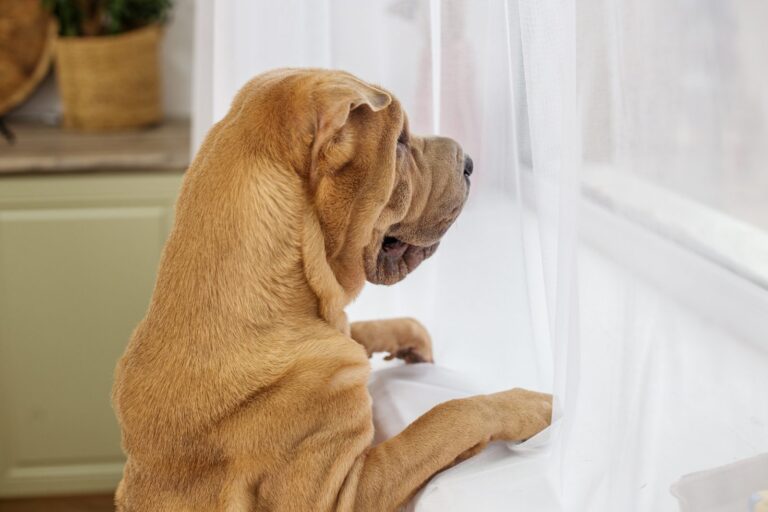
A small white dog sits by a large window, watching the view outside in soft daylight
What the dog is watching, and why, are two separate notes.Photo: alexandrazaza / Envato Elements

What you inferred

Separate the explanation you are considering from the action itself.

Open question: which cues might have influenced the choice?

An illustrative reading exercise, not a reported experiment.

Draw the setup before the conclusion.

The available choices shape what a task can tell us. Follow the sequence and look for the information the animal could use.

Explore task diagrams
  1. SettingWhat was present?
  2. ChoiceWhat could the animal do?
  3. RecordWhat did the researcher measure?
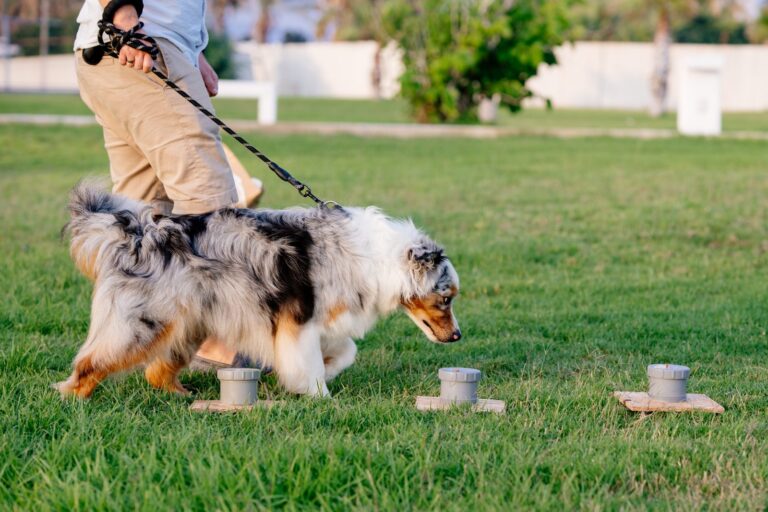
An Australian Shepherd on a leash approaches two scent containers set out on grass for a nose work search
Two containers, one handler, one nose: the setup shapes the answer.Photo: katrinasid / Envato Elements

One mind. More than one lens.

01The experimental taskCues, choices and constraints.02The welfare questionBehavior in the context of a life.03The cross-species comparisonSimilar responses, different possibilities.
A Bengal cat and a Jack Russell puppy sit apart on a white bed, each looking in a different direction
Same room, same light, two species reading it differently.Photo: zhenny-zhenny / Envato Elements

Leave space for another explanation.

A response in one setting does not describe an animal’s whole mind. Keep sensory abilities, prior experience and task demands in the conversation.

A good question is worth following.

About our reading trails